
What skin type do you have? How to recognise it and give your skin what it really needs

Have you ever bought a cream that everyone raves about, only for your skin to shine like a mirror afterwards? Or tried to tame an oily shine with ever stronger cleansers, only to have your skin feel tight and red after washing, with the shine back by midday anyway?
Many of us are waging a small war with our skin. We dry out oily skin, cover dry skin with powder, and test sensitive skin with one new product after another, hoping the next one will be the one. Yet skin often responds to this treatment in exactly the opposite way to what we want.
The way out of this cycle starts with a question we rarely ask: what kind of skin do I actually have? Once you know your skin type, choosing products becomes much easier. You are no longer looking for a miracle cream, simply for what your skin needs.
Skin type or skin condition?
Before we get to the test, it helps to separate two things.
Your skin type is largely something you are born with. It depends mainly on how much oil (sebum) your skin produces and how well it holds on to moisture. It can change slowly over the course of your life, for example with hormones and age, but at its core it stays much the same.
A skin condition, on the other hand, comes and goes: dehydration in winter, spots before your period, redness after a windy day, dry patches after an over-enthusiastic scrub. A skin condition can appear with any skin type.
In our shop we divide skin into four types, which you will also find in the Facial care menu:
- dry skin,
- normal skin,
- combination and oily skin,
- sensitive skin.
We have grouped combination and oily skin together because they need very similar care: both produce more oil on at least part of the face, and the main difference is whether the whole face shines or just the T-zone.
How to find out your skin type

You don't need any special tools, just a little patience and a mirror in daylight.
The bare-face test
- Wash your face in the evening or morning with a gentle cleanser and lukewarm water. Pat it dry gently with a towel.
- Apply nothing: no toner, no serum, no cream.
- Wait about an hour. Don't touch your face during this time.
- Look at your skin in the mirror and notice how it feels: where does it shine, where does it feel tight, is it red or itchy anywhere?

The tissue test
If you are not sure what you are seeing, use a facial blotting paper or a thin tissue. After an hour, press it lightly onto your forehead, nose, chin and cheeks, then hold it up to the light.
- There are no marks on the paper, but your skin feels tight: you probably have dry skin.
- There is very little or no oil on the paper and your skin feels comfortable: you probably have normal skin.
- Oil shows from the forehead, nose and chin, but the cheeks are clean: you have combination skin.
- Oil shows from all areas of the face: you have oily skin.
A few more helpful questions
The bare-face test shows how much oil your skin produces. The other important question is how it reacts. So ask yourself as well:
- How does your skin feel straight after washing? If it almost always feels tight, it is probably on the drier side.
- What happens to your powder during the day? If it “melts” or disappears in the T-zone, your skin produces more oil. If it collects in dry areas and highlights flakes, your skin lacks oil or moisture.
- How does your skin take to new products? If it often turns red, itches or stings when you try something new, or in cold, wind and heat, you most likely have sensitive skin. This can occur together with any of the types above.
At a glance: which description fits you best?
| Skin type | How to recognise it |
|---|---|
| Dry | Feels tight after washing, flaky in places, pores barely visible. |
| Normal | Neither oily nor dry, rarely any breakouts. |
| Combination and oily | Forehead, nose and chin shine, cheeks are normal or dry. With oily skin the whole face shines and pores are larger. |
| Sensitive | Turns red in cold, wind or with new products, itches or stings. |
Now that you know your type, let's look at what each skin needs and where we most often clash with it.
Dry skin: it needs oils and protection
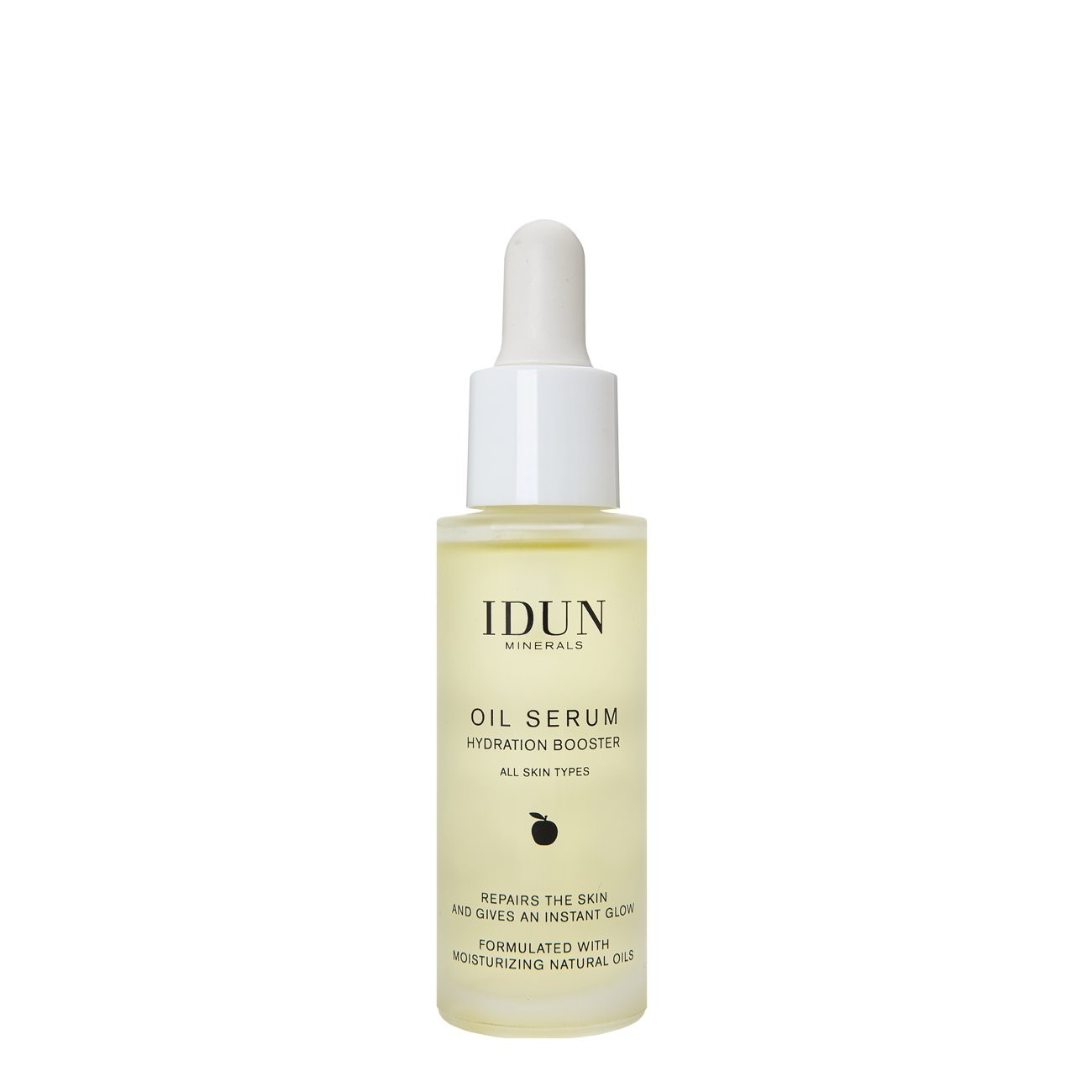
Dry skin produces less oil, so it has a thinner natural protective layer and loses moisture more quickly. A feeling of tightness, fine flakes and less suppleness are its typical signs. It is also often more prone to sensitivity, as irritants get through a weakened barrier more easily.
Where we fight it: we try to scrub away dry flakes with harsh exfoliators, which irritate the skin even more. Or we wash it with foaming cleansers that strip away what little oil it has.
What really helps:
- Gentle cleansing. A cream or milk cleanser that doesn't dry out the skin. In the morning, water alone is often enough.
- Layering moisture. First a hydrating toner or essence on still-damp skin, then a rich cream to lock that moisture in.
- Oils and butters. Dry skin loves ingredients such as shea butter, cocoa butter and plant oils.
- Exfoliate only occasionally, and gently, once a week or even less often.
From our range: cleanse with IDUN Mineral Cleansing Lotion for face and eyes with oat oil and niacinamide, followed by Hydra Calm Mineral Essence with hyaluronic acid. Finish with IDUN Rich Mineral Day Cream for dry skin with shea and cocoa butter, and in the evening the Rich Night Cream. When your skin is particularly dry, pat a few drops of the oil serum, which contains 99.7% natural oils, under your cream. Once a week, treat it to a hydrating face mask as well.
When it comes to make-up, dry skin will thank you for liquid and cream textures, such as Norrsken liquid foundation or Soft Tint cream blush, blended in with your fingers.
Normal skin: keep the balance
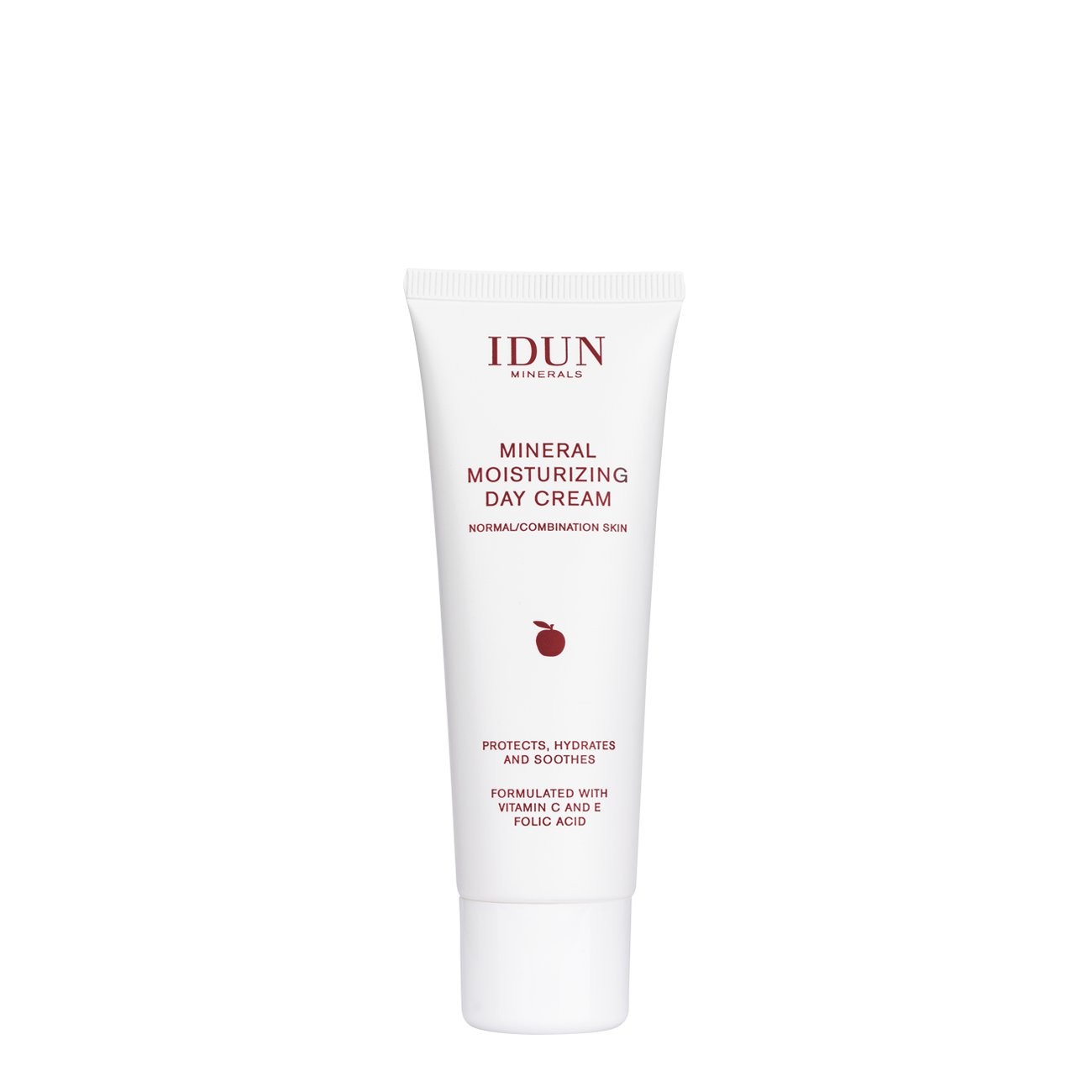
Normal skin is neither oily nor dry, pores are small and blemishes appear only occasionally. It sounds like a dream, but this skin also needs care, just with a different goal: to maintain the balance it already has.
Where we fight it: out of curiosity or following trends, we pile on products, acid peels and several serums at once. Skin that was calm suddenly starts to react.
What really helps:
- A simple routine: cleanse, hydrate, moisturise and protect from the sun.
- Light to medium-rich creams. In winter you can choose a slightly richer one, in summer a lighter one.
- UV protection every day, as it is the best investment for skin that will stay in good shape for a long time.
From our range: IDUN Cleansing Lotion or Cleansing Foam for face and eyes, followed by Hydra Calm Essence and IDUN Moisturising Day Cream for normal and combination skin with vitamins C and E. In the morning, finish with Solsken SPF 50 (more on it below), and once a week use the Gentle Facial Scrub.
Combination and oily skin: don't dry it out, balance it

Combination skin produces more oil in the T-zone (forehead, nose, chin), while the cheeks are normal or even dry. With oily skin the whole face shines, pores are more visible, and blackheads and spots appear more often. The good news: oily skin often has a thicker, more resilient barrier.
Where we fight it: this is the skin type we clash with most often. We wash it several times a day with strong cleansers, wipe it with alcohol-based toners and skip moisturiser for fear of making it even oilier. The result is skin that is both oily and tight, often irritated too, and no less shiny.
What really helps:
- Gentle cleansing twice a day, no more. A sulphate-free foam or gel removes excess oil without drying out the skin.
- Moisture is a must. Oily skin can be dehydrated too. Choose light gel or fluid textures that absorb quickly.
- Niacinamide (vitamin B3) is an ingredient that often works well for combination and oily skin. It strengthens the skin barrier, helps with the look of redness and is known for helping to balance oil production.
- Regular but gentle exfoliation once or twice a week, to keep pores from clogging.
- You can care for combination skin zone by zone: a lighter cream on the T-zone, a slightly richer one on the cheeks.
From our range: IDUN Cleansing Foam for face and eyes with malic acid and glycerin is made specifically for normal and combination skin. For light hydration, Hydra Calm Essence, then the Rich Moisturising Serum with 3% niacinamide and hyaluronic acid, and the Moisturising Day Cream for normal and combination skin. Solsken SPF 50 sun cream absorbs quickly and doesn't leave a greasy feel, so it suits this skin too. Once or twice a week, use the Smoothing Facial Scrub.
For make-up, combination and oily skin often gets on best with loose mineral powder, which absorbs some of the shine during the day.
Sensitive skin: less is more
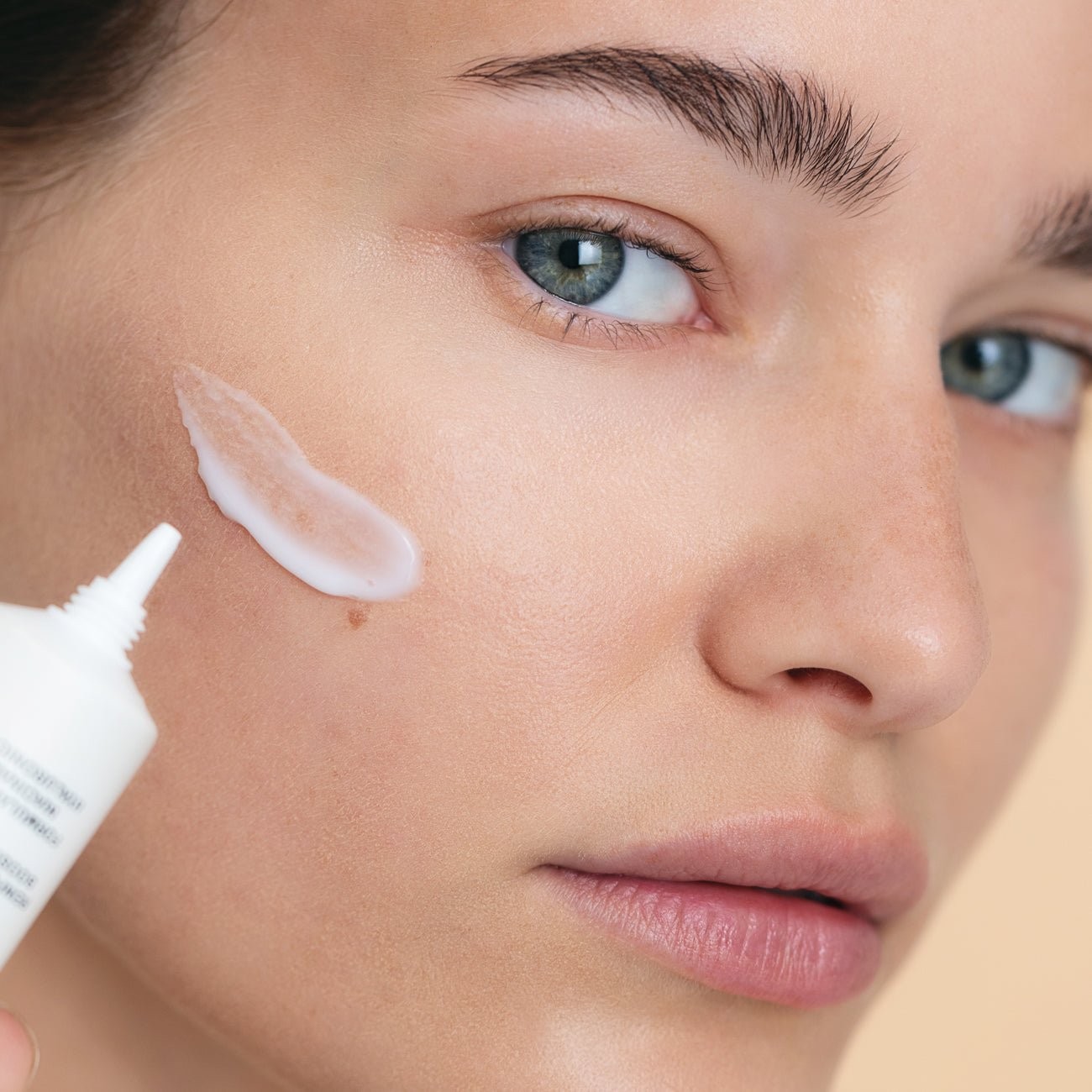
Sensitive skin quickly turns red, itches, stings or feels tight: in cold, wind or heat, under stress or with a new product. It can be dry, normal or oily; what it has in common is a skin barrier that is easily irritated.
Where we fight it: when something doesn't work, we try the next product, and then the next. So the skin never gets a rest, and we never know what irritated it.
What really helps:
- As short a list of products as possible and as short a list of ingredients as possible. A gentle cleanser, soothing hydration, a cream, sun protection. That's all.
- Products without added fragrance and alcohol, which are among the more common irritants.
- Soothing ingredients such as centella asiatica, niacinamide and oat oil.
- One new product at a time. Before you start using it on your face, apply it to a small area for a few days in a row, for example behind the ear or on the inside of the wrist.
- No harsh scrubs and no hot water.
From our range: IDUN Cleansing Foam for face and eyes is also suitable for very sensitive skin and skin prone to redness. Hydra Calm Essence contains centella asiatica extract, which soothes irritated skin, while the Rich Moisturising Serum with 3% niacinamide strengthens the skin barrier. When your skin is especially irritated, for example after a day out in the cold, the Restoring Multi Balm helps: a rich balm with hyaluronic acid, niacinamide, and rapeseed and oat oils.
If your sensitive skin also has dry areas, follow the tips for dry skin as well. If it tends towards an oily shine, follow those for combination and oily skin.
Don't forget: any skin can be dehydrated
This is where people often get stuck. Dry skin lacks oil, while dehydrated skin lacks water. Dehydration is a condition, not a type, and it can occur in oily skin too: the skin shines but feels tight at the same time, and fine lines are more visible.
If you recognise yourself here, you don't need a richer cream but more moisture: a hydrating toner or essence with hyaluronic acid applied to slightly damp skin, followed by a cream to lock the moisture in. A humidifier in heated rooms helps too.
Sun protection is for every skin type
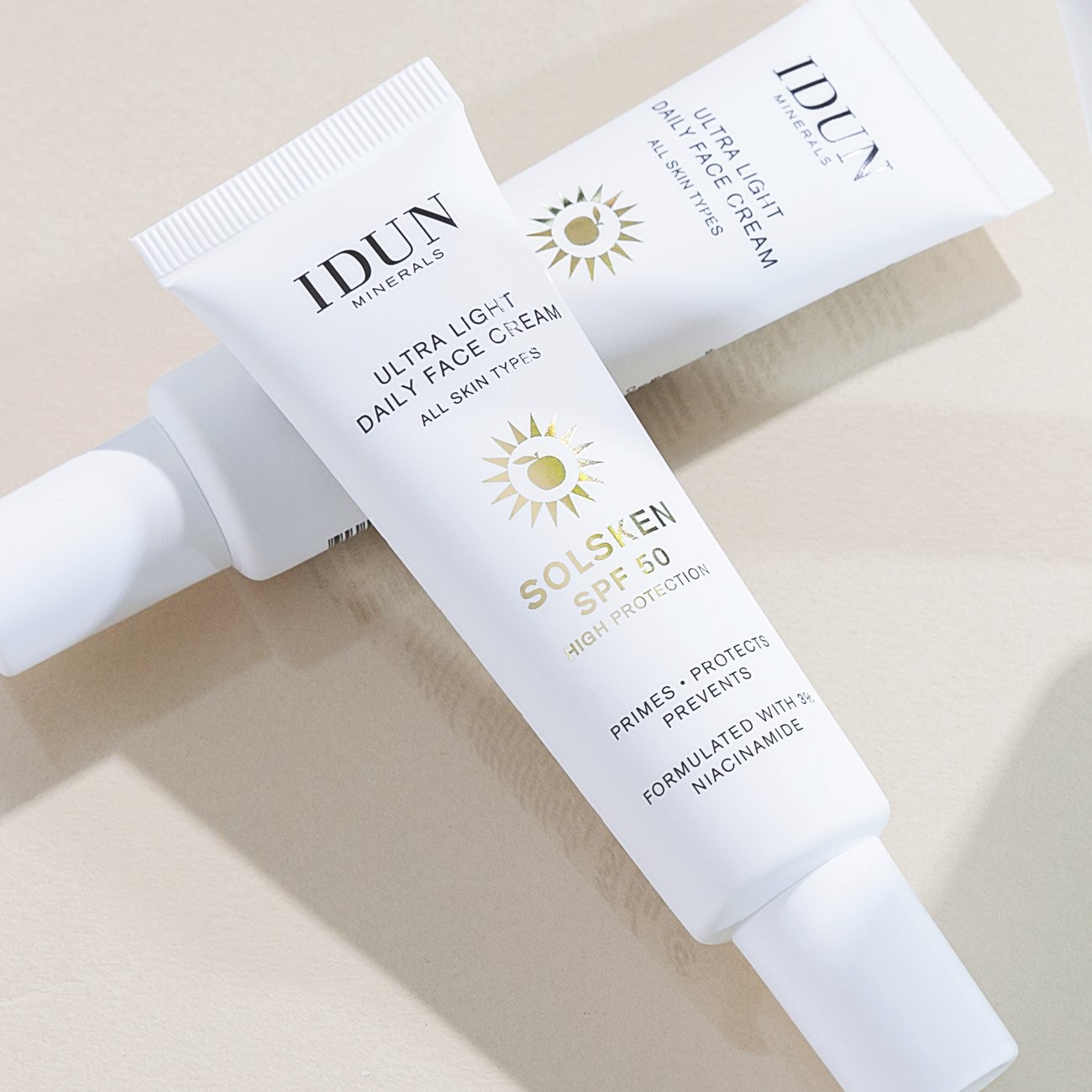
Whatever your skin type, daily UV protection is a step not worth skipping. UV rays are present all year round, even on cloudy days, and are one of the main causes of premature skin ageing and pigmentation marks.
IDUN Solsken SPF 50 is a light day cream, make-up primer and UVA and UVB protection in one. It contains 3% niacinamide, absorbs quickly and leaves no white cast, so it suits all skin types. Apply it as the last step of your morning routine, before make-up.
How to choose products once you know your type
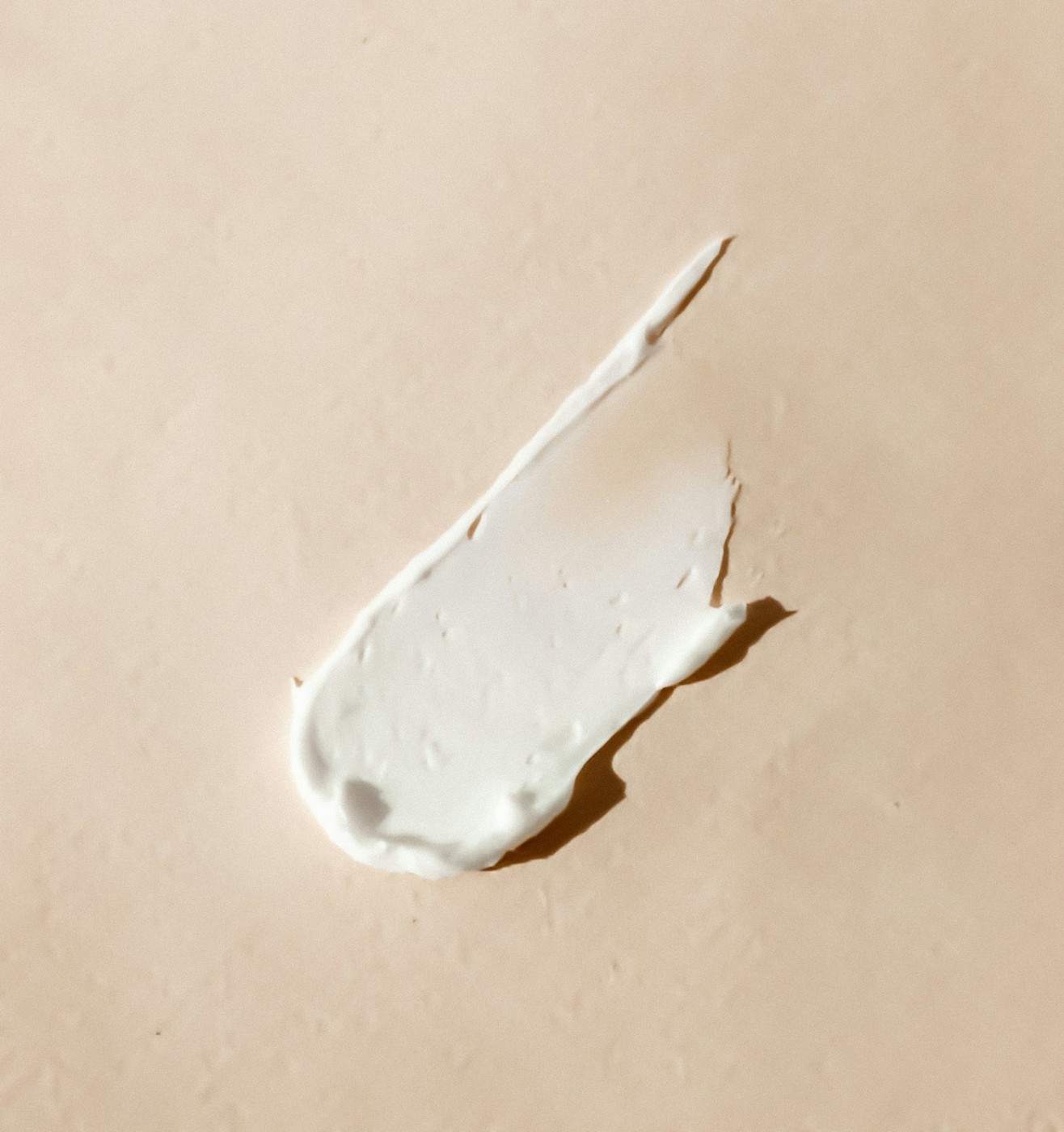
- Look at the texture. As a general rule, the oilier the skin, the lighter the texture it likes (gel, fluid, essence). The drier it is, the better it suits creams, balms and oils.
- Read who the product is for. Labels such as “for normal and combination skin” or “for dry skin” are not just marketing. Formulas really do differ in the amount of oils and butters.
- Introduce one product at a time and give it at least four to six weeks. That is roughly how long skin needs to renew itself and show how it responds.
- Watch your skin through the year. In winter almost every skin is drier, in summer oilier. There is nothing wrong with having a winter and a summer cream.
- Repeat the test every now and then, especially if you notice that products that used to work no longer suit you. Skin changes with age, hormones and lifestyle.
When to see a dermatologist?
If, despite gentle care, you often have inflamed spots, persistent redness, scaly and itchy patches, or your skin hurts, consult a doctor or dermatologist. Acne, rosacea and atopic dermatitis are not skin types but conditions that need professional care. The right skincare can support them, but it cannot replace treatment.
In short
- Find out your skin type by washing your face, applying nothing and observing your skin after an hour.
- Dry skin needs gentle cleansing, layered moisture and rich creams with oils and butters.
- Normal skin needs a simple routine that maintains its balance.
- Combination and oily skin needs gentle cleansing, light moisture and definitely no drying out.
- Sensitive skin needs as few products as possible, no fragrance, and soothing ingredients.
- Any skin can be dehydrated and every skin needs sun protection.
Once you stop fighting your skin and start giving it what it needs, you often need fewer products than you thought. We have sorted our facial care products by skin type: dry skin, normal skin, combination and oily skin and sensitive skin. If you are still not sure which type you are, call us on +386 31 558 410 or email us at info@kozmetika-moja.si. We will be happy to advise you.
Recommended in the article
-
 IDUN Minerals Face and Eye Cleansing Foam for Normal/Combination Skin – IDUN Minerals
€16.10
-
 IDUN Minerals Hydra Calm Mineral Essence Toner 125 ml – IDUN Minerals
€20.23
-
 IDUN Minerals Moisturising Day Cream for Normal/Combination Skin 50 ml – IDUN Minerals
€19.60
-
 IDUN Minerals Rich Mineral Day Cream for Dry Skin – IDUN Minerals
€19.60
-
 IDUN Minerals Rich Moisturising Serum for Sensitive Skin – IDUN Minerals
€21.00
-
 IDUN Minerals Face Cream and Primer SPF 50 Solsken 30 ml – IDUN Minerals
€21.70

