
What kind of hair do you have? How to identify your hair type and give it what it needs

Have you ever bought a shampoo that gave a friend gorgeous hair, only for yours to end up flat or even drier? There was probably nothing wrong with the product. It was simply made for a different kind of hair.
Many people struggle with their hair for years: they wash oily hair every day with ever stronger shampoos, try to straighten their curls, or weigh down fine hair with rich masks recommended by someone with thick hair. The hair then responds in exactly the opposite way to what we want.
Once you know what kind of hair you have, choosing becomes much easier. You don't need more products, just the right ones. In this article you'll find out how to identify your hair type yourself, what the most common problems are and what each type needs.
Hair type is not just one thing
When we say "hair type", we actually mean several things at once. That's why you may recognise yourself in two or three descriptions at the same time, and that's completely normal.
- The scalp is the skin on your head. It can be oily, normal, dry or sensitive. The scalp determines how quickly your hair gets greasy and whether it itches.
- The lengths and ends are the old, "dead" part of the hair. They can't renew themselves, so they bear the effects of colouring, sun, blow-drying and the years. They are often dry, even when the scalp is oily.
- Thickness and density tell you how fine each individual hair is and how much hair you have. This determines how much care your hair can take before it gets weighed down.
- Texture tells you whether your hair is straight, wavy or curly. The curlier the hair, the harder it is for the natural oils from the scalp to travel down it, which is why curls tend to be drier.
A very common combination, for example, is an oily scalp and dry ends. In this case you choose your shampoo for the scalp, and your conditioner and mask for the lengths. This simple split solves more problems than any miracle product.
How to identify your hair type: five simple tests
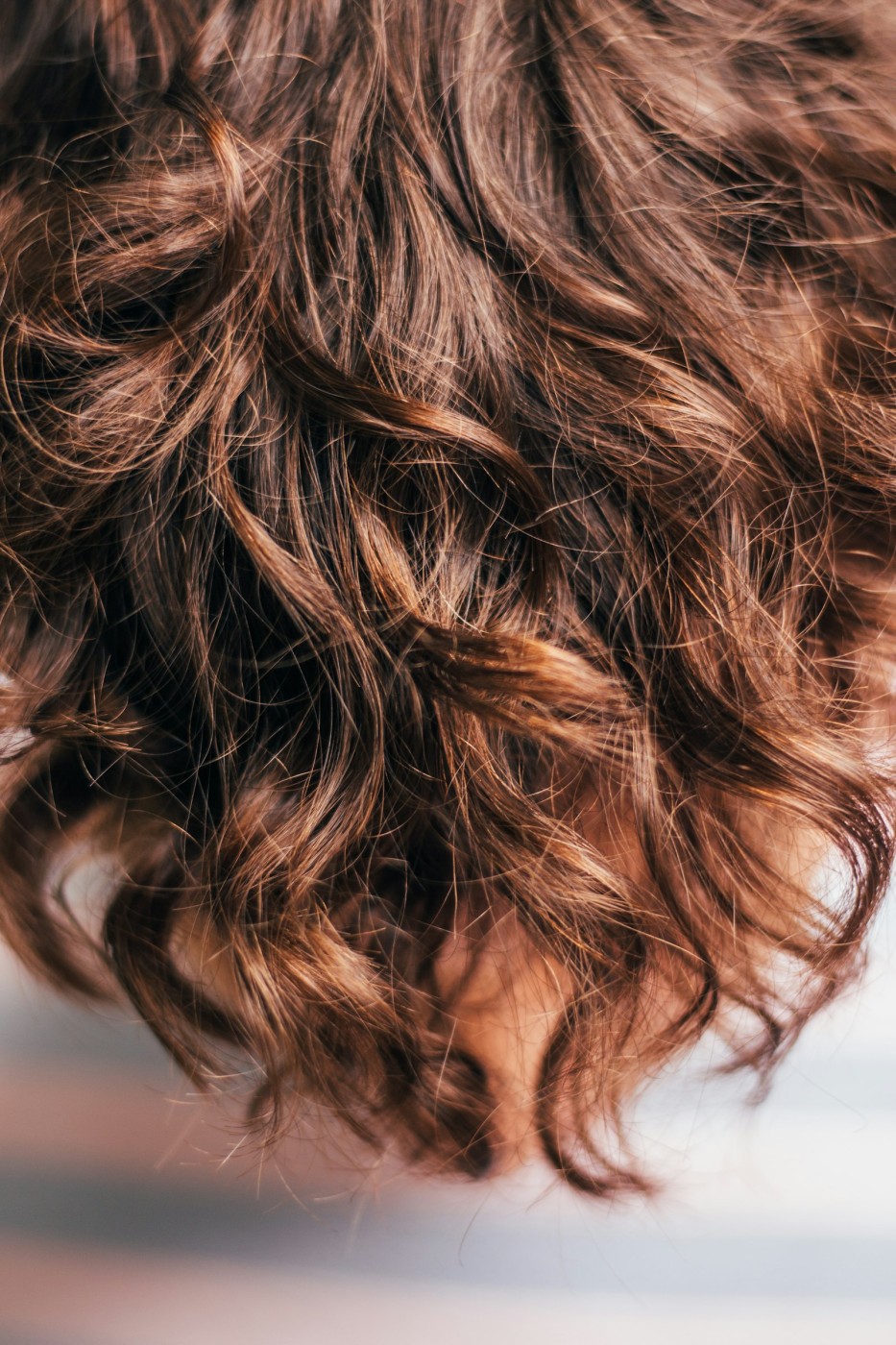
For all the tests you need hair that has been washed with a mild shampoo and left to air-dry, without mousse, oils or hairspray. It's best to observe it the day after washing.
- The scalp test. The day after washing, press a paper tissue onto the scalp at the crown. If oil is left on it and the hair is flat at the roots, your scalp is oily. If the tissue is clean but your scalp feels tight or itchy, it is probably dry or sensitive.
- The thickness test. Hold a single shed hair between your fingers and compare it with a sewing thread. If you can barely feel it, your hair is fine. If it is similar to the thread, it is medium; if it is firm and you can clearly feel it, it is thick.
- The density test. Part your hair in the middle and look in the mirror. If you can clearly see your scalp through the hair, it is on the thinner side. You can also gather all your hair into a ponytail and look at its circumference.
- The texture test. Watch what your hair does when it dries on its own. Does it stay straight, bend into soft waves or twist into curls? The way it reacts to the weather helps too: curly and wavy hair likes to frizz in humidity.
- The ends test. Check your ends in daylight. Split ends, a rough feel and hair that breaks when combed mean that the lengths are dry and damaged, whatever your scalp is like.
Once you have your answers, find the description that fits you best. Our hair care products are sorted by the same types, so in the shop you can choose your type in the Hair care menu and see the products that suit it.
Dry and damaged hair: it needs moisture and gentleness
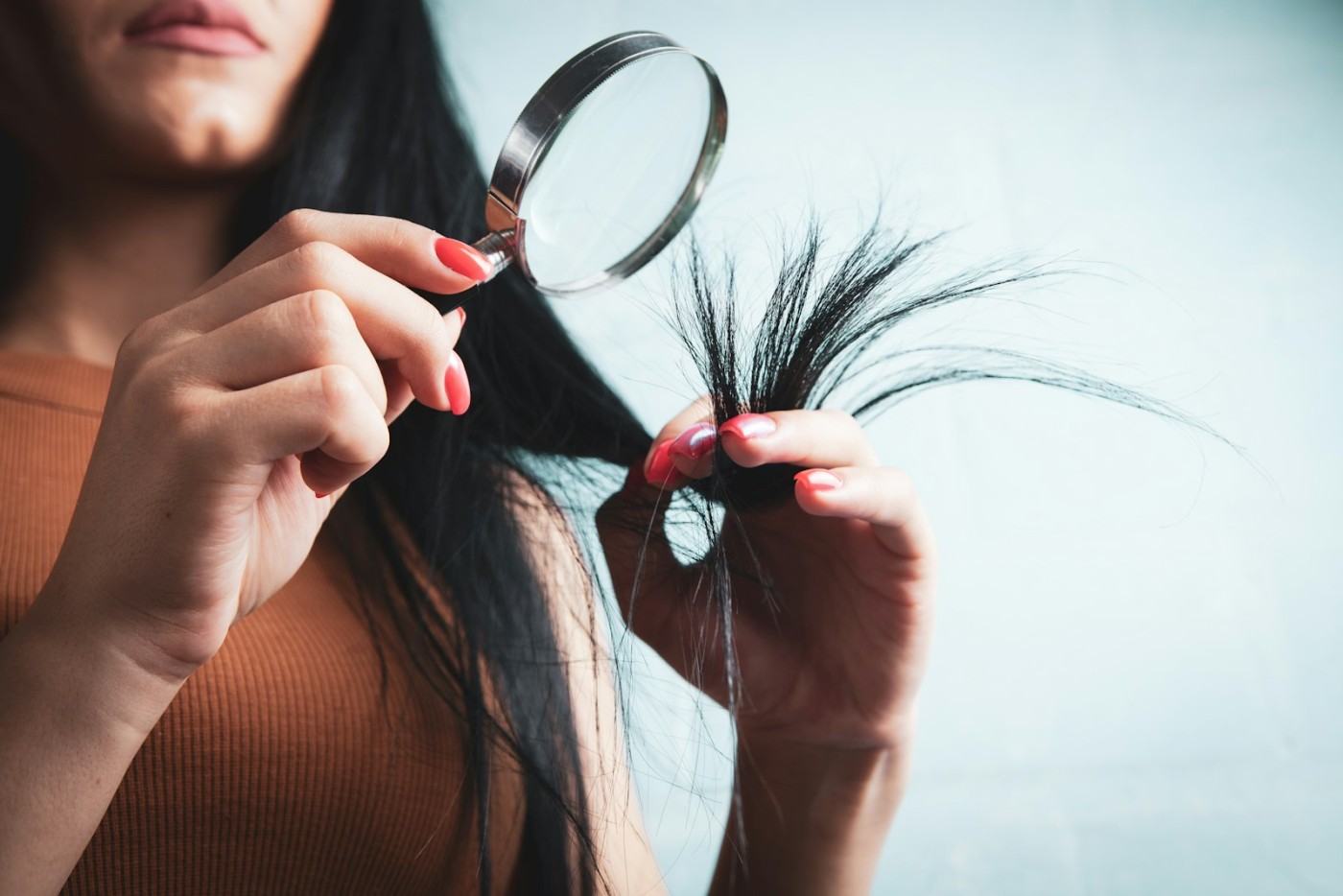
How to recognise it: it lacks shine, feels rough to the touch, is hard to detangle and knots easily, and the ends split. It is often the result of colouring, bleaching, straightening, perming or a summer spent in the sun and the sea.
Where we go wrong: we often wash dry hair as frequently and with the same shampoo as oily hair, skip the conditioner because we're in a hurry, and then straighten it to make it look smoother. Each of these steps dries it out even more.
What really helps: gentle cleansing and plenty of moisture. For hair that can't renew itself, care can help it feel smoother and more supple and break less. But no cream can glue damaged ends back together for good, which is why a regular "refresh" trim at the hairdresser's is part of hair care.
- Use a mild shampoo and apply it mainly to the scalp. The lather cleans the lengths well enough as you rinse.
- Make conditioner a must after every wash. Apply it to the lengths and ends, leave it on for a few minutes and rinse.
- Once or twice a week, use a mask instead of conditioner.
- After washing, gently squeeze your hair in a towel rather than rubbing it. Wet hair is at its most fragile.
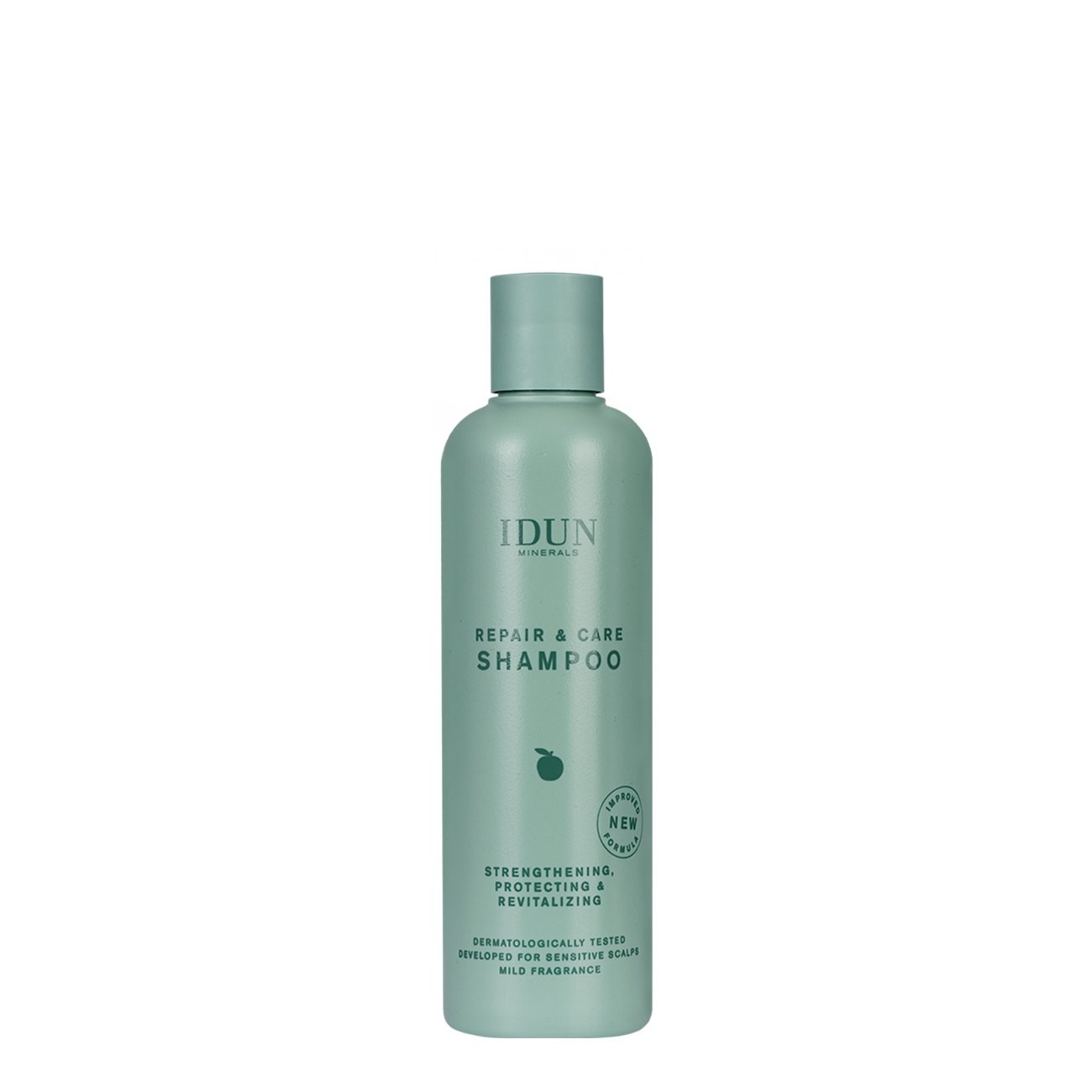
From our range: for dry hair we recommend the pair IDUN Repair & Care shampoo and conditioner for dry and damaged hair. The shampoo creates a creamy lather and cleanses the hair gently. It contains sunflower seed extract, which protects the hair, provitamin B5 for stronger hair and betaine for care, while the conditioner also has added vitamin E. If your hair is very damaged, be patient: a visible difference usually shows after a few weeks of regular care.
Oily hair: don't dry it out, balance the scalp
How to recognise it: just a day after washing it is greasy and flat at the scalp, and your hairstyle quickly loses its freshness. The oil isn't actually produced in the hair but on the scalp, which secretes more sebum.
Where we go wrong: this is the hair type we most often fight against. We wash the scalp every day with very strong shampoos and hot water, which irritates and dries it out. Many people then notice that their hair gets greasy even faster than before, so they wash it even more often, and the circle is complete.
What really helps: gentle but thorough cleansing of the scalp, without drying it out.
- Choose a mild shampoo for everyday use and gently massage your scalp with your fingertips, not your nails, while washing.
- Wash with lukewarm water.
- Apply conditioner only to the lengths and ends, never to the scalp.
- Between washes, use a dry shampoo so you don't have to wash your hair every day.
- Brush your hair from root to tip less often and try not to touch it with your hands too much during the day.
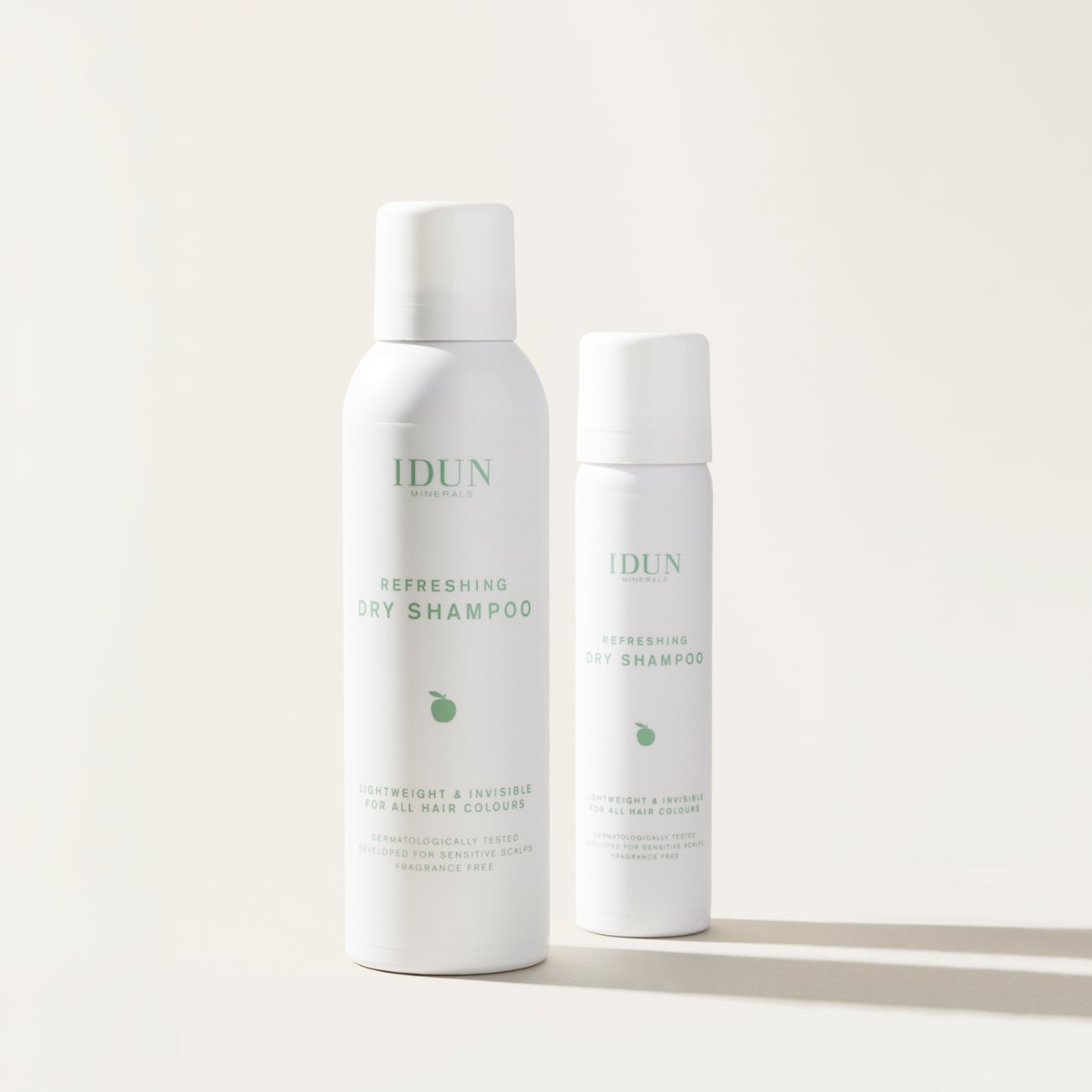
From our range: for oily hair, IDUN Balance & Care shampoo for a soothed scalp is a good choice. It is mild but effectively removes impurities and styling product residue, and leaves a long-lasting feeling of freshness after washing. For days without washing there is IDUN Refreshing Dry Shampoo with rice starch, which absorbs excess oil. It is transparent, so it leaves no white marks even on dark hair, and fragrance-free, so it is also suitable for a sensitive scalp. Spray it onto the roots from a distance of 20–30 cm, wait a minute and brush your hair through.
If your hair is oily at the roots but also fine, read the next section too.
Fine hair without volume: lightness instead of weight
How to recognise it: each hair is fine, your hairstyle quickly loses its shape and falls flat, and rich conditioners and oils weigh it down so it looks even thinner. Fine hair also often gets greasy faster, because the oil from the scalp spreads along it quickly.
Where we go wrong: in the hope of thicker hair, we reach for rich masks, oils and several layers of styling products. The hair then ends up heavy, flat and greasy sooner.
What really helps: lightweight care that doesn't weigh it down. With fine hair, less really is more.
- Choose products labelled for volume or for fine hair. They are designed to care for the hair without weighing it down.
- Apply conditioner only to the lower half of your hair and rinse it out well.
- Use masks less often and only on the ends.
- Dry your hair with your head tipped upside down, or lift the roots with a brush. Dry shampoo at the roots adds volume even to freshly washed hair.
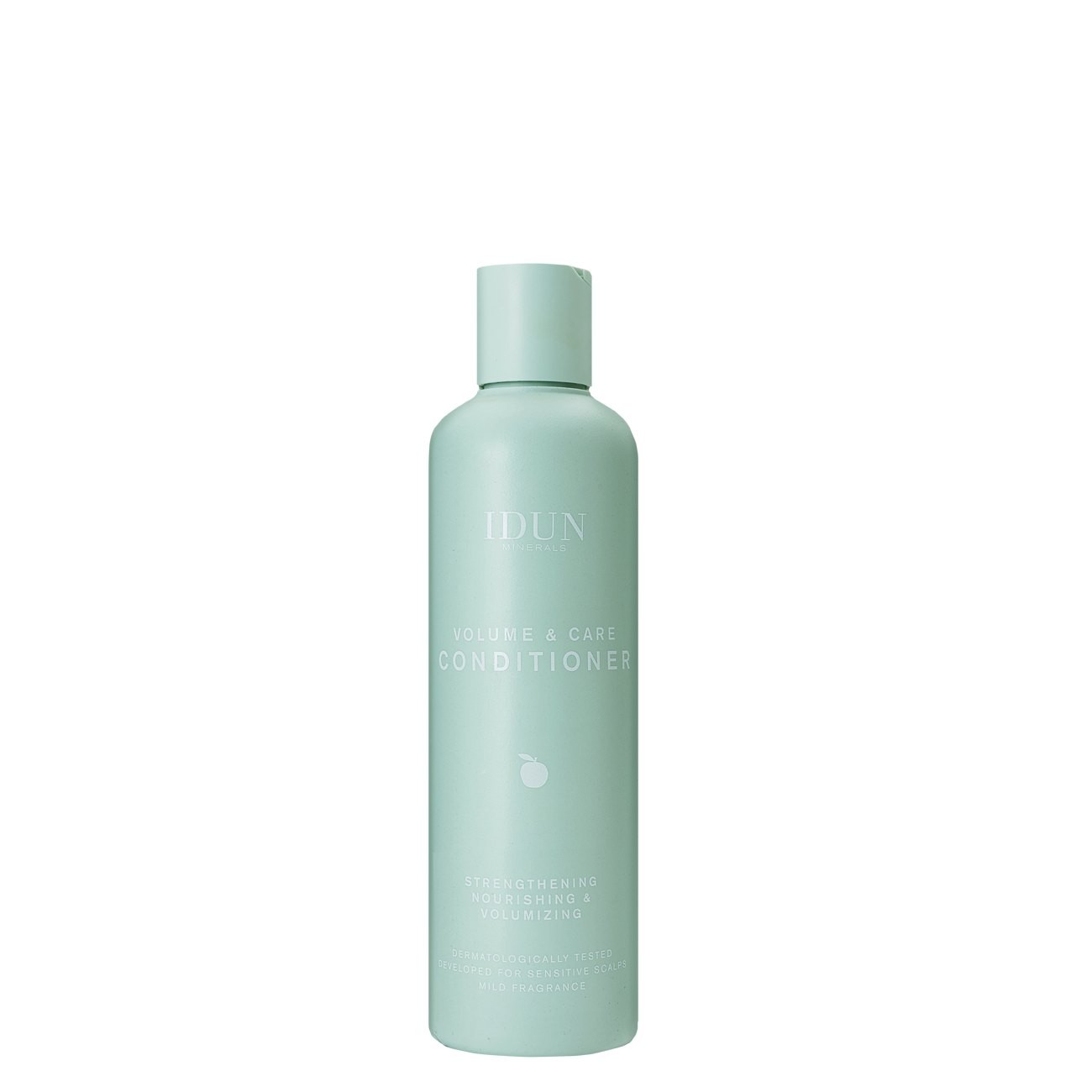
From our range: fine hair is what IDUN Volume & Care shampoo and conditioner are made for. Both contain pea protein, which gives the hair volume and softens it, and provitamin B5 for stronger hair. The conditioner is creamy, yet the hair stays light afterwards and is easier to detangle.
Curly and wavy hair: moisture and as little friction as possible
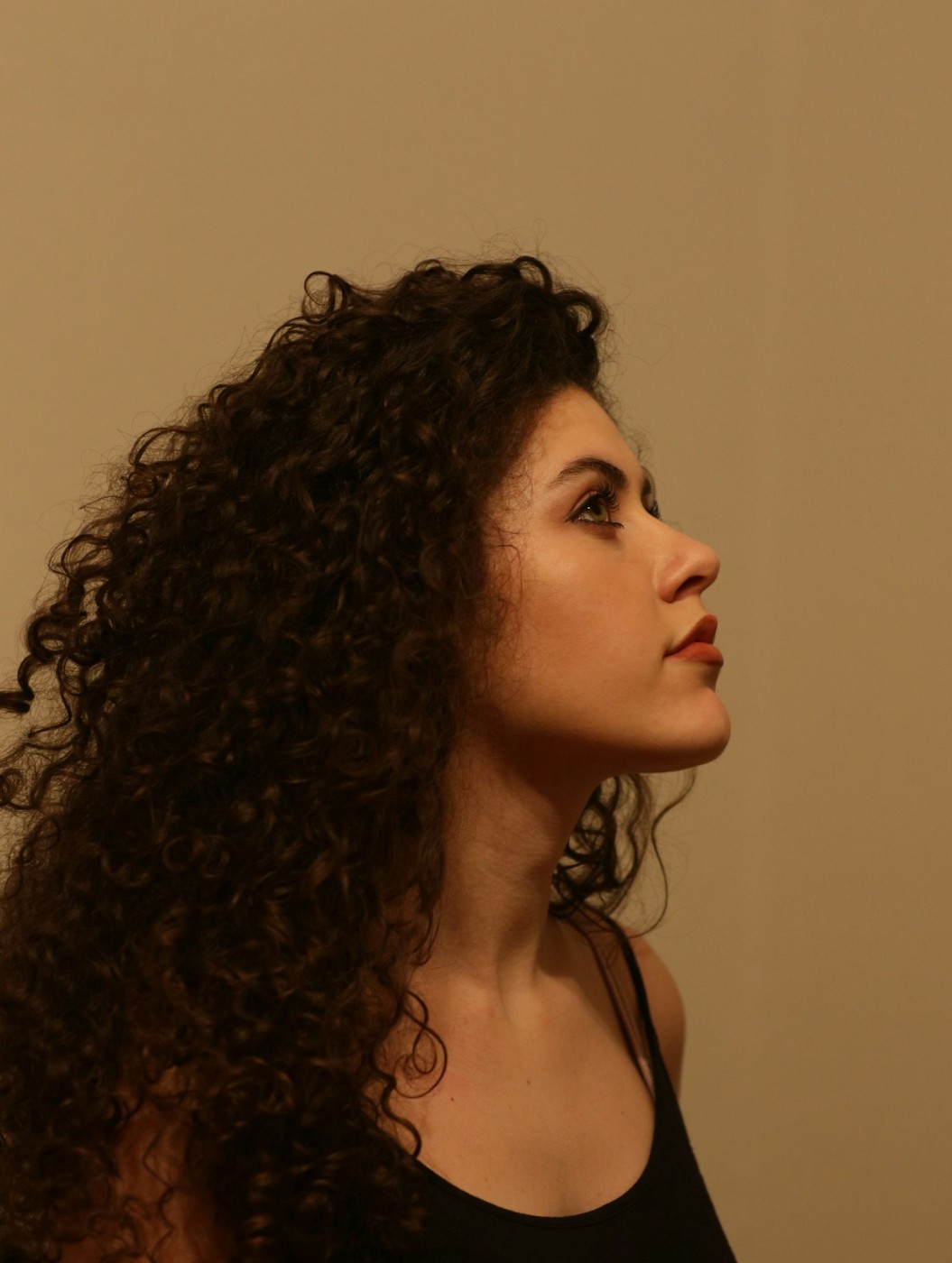
How to recognise it: when it dries on its own, it twists into waves or curls. It is often dry, frizzes in humidity and loses its shape when brushed dry.
Where we go wrong: we try to tame curls with a brush, straighteners and frequent washing, because they seem untidy. In doing so, we strip away the very moisture that holds the curls together.
What really helps: plenty of moisture and as little friction as possible. Because the natural oils from the scalp have a harder time travelling down curls, curly hair is almost always drier than straight hair. Frizz is most often a sign that the hair lacks moisture.
- Wash it a little less often and with a mild shampoo.
- Apply conditioner generously and detangle your curls right in the shower, with a wide-tooth comb or your fingers, while the conditioner is still in.
- Don't brush dry curls, as they turn into fluff.
- After washing, blot your hair with a soft cotton T-shirt or a microfibre towel; don't rub.
- Apply a leave-in treatment to damp hair to smooth your curls and help them keep their shape.
From our range: curly hair suits the same care as dry hair: IDUN Repair & Care shampoo and conditioner for dry and damaged hair, plus the Deep Moisture Hair Mask once a week. For everyday care after washing, the IDUN Leave-In Treatment is very handy: you spray it over your hair and scalp (more on it below).
Coloured hair: gently, so the colour lasts longer
How to recognise it: the colour fades or turns brassy quickly, and the hair is drier and more brittle after colouring than before. Colouring, and bleaching in particular, opens up the outer layer of the hair, so it loses moisture and colour faster.
Where we go wrong: after colouring we wash our hair as before, with strong shampoos and hot water that quickly wash the colour out, and then we refresh the colour more and more often.
What really helps: gentle cleansing and regular moisturising, so the colour lasts longer and the hair stays soft.
- If at all possible, don't wash your hair for the first few days after colouring.
- Wash with lukewarm, not hot, water and with a mild shampoo without harsh surfactants.
- Use conditioner after every wash and a mask once a week.
- Protect your hair from the sun with a hat or scarf, as UV rays make the colour fade faster.
- Turn down the heat: use your hairdryer on a lower setting and straighten as little as possible.
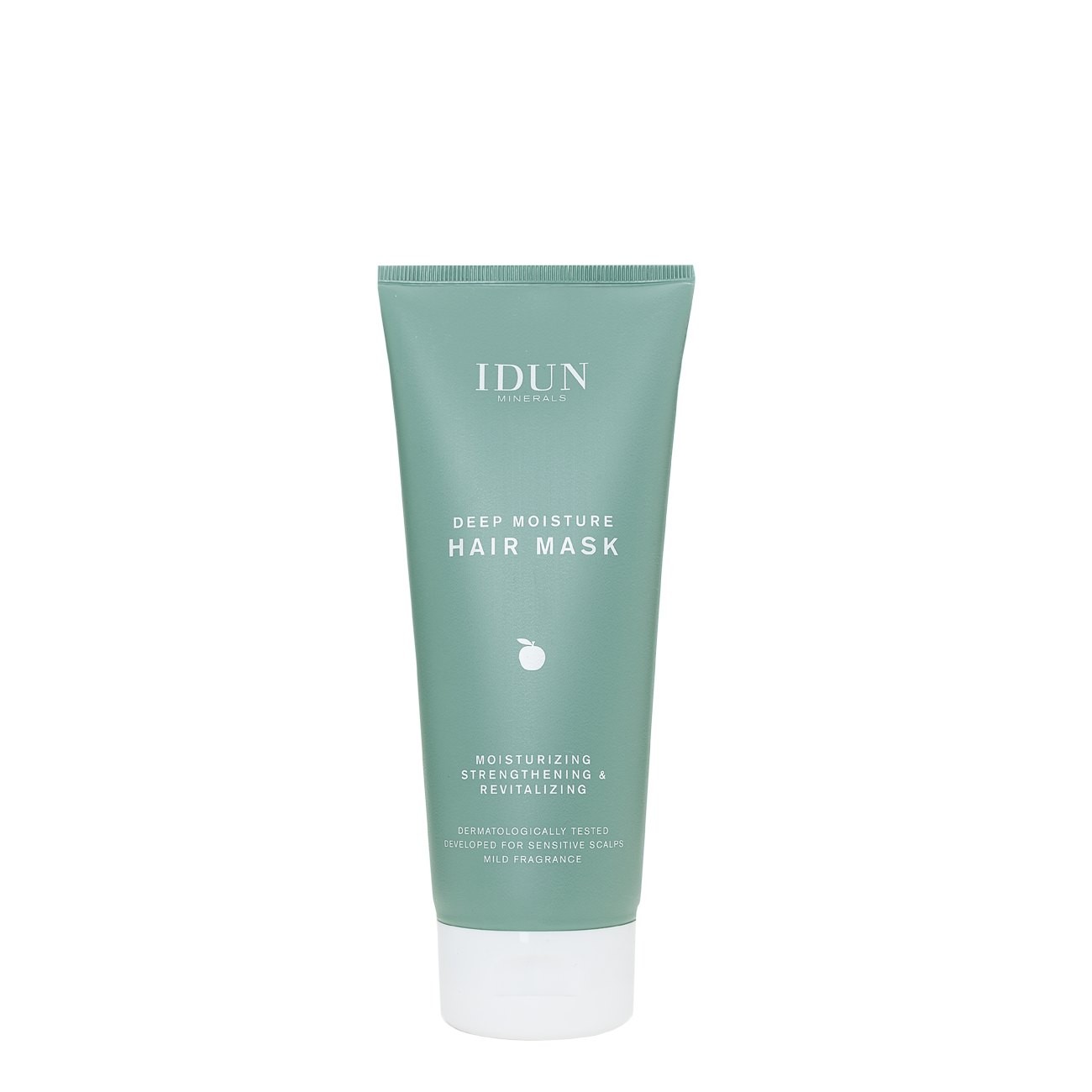
From our range: for coloured hair we recommend IDUN Repair & Care shampoo and conditioner for dry and damaged hair and the IDUN Deep Moisture Hair Mask. The mask is rich and creamy and contains shea and rapeseed oil, pea protein, glycerin and vitamins. Apply it to washed, lightly towel-dried hair, leave it on for a few minutes and rinse well.
The most common hair problems and what helps
Besides our hair type, individual problems often bother us too. Some are linked to hair type, others can affect anyone.
Brittle and split ends
The ends are the oldest part of the hair, so they are the first to suffer from heat, combing and colouring. What helps is conditioner after every wash, a mask once a week, gentle combing from the ends upwards and a regular trim at the hairdresser's every 8 to 12 weeks. You can't permanently repair split ends, but you can stop the split from travelling further up.
Hair that gets greasy quickly
See the section on oily hair above. The key is not to dry out your scalp with aggressive washing and not to let conditioner reach the scalp. Dry shampoo helps you stretch the time between washes.
Dandruff and an itchy, sensitive scalp
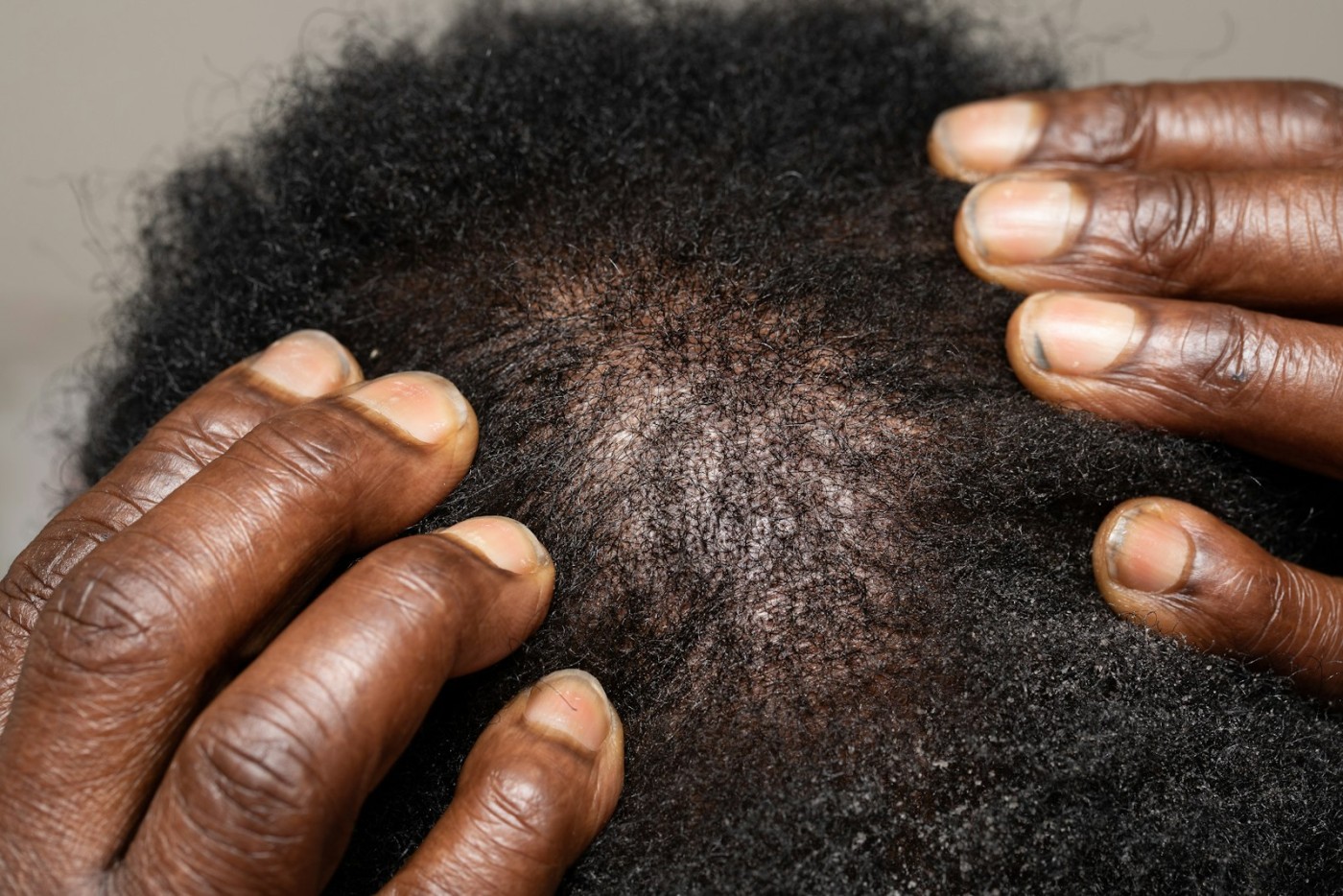
Dandruff can appear with a dry or an oily scalp. With a dry scalp the flakes are small and white, and the scalp feels tight and itchy, often in winter. With an oily scalp the flakes are larger, yellowish and greasy.
- Choose a mild shampoo without strong fragrances and gently massage your scalp while washing.
- Always rinse shampoo and conditioner out thoroughly. Product residue irritates the scalp.
- Don't scratch your scalp with your nails.
- In winter, more humid indoor air helps; in summer, a hat in the sun.
For a sensitive scalp we offer IDUN Balance & Care shampoo. Your scalp will also appreciate the IDUN Leave-In Treatment, which is fragrance-free and gently soothes and cares for a dry and sensitive scalp. If there is a lot of dandruff, if it doesn't settle despite gentle care, or if your scalp turns red and flakes in patches, see a dermatologist. Seborrhoeic dermatitis or psoriasis, which need treatment, can also look like this.
Hair loss
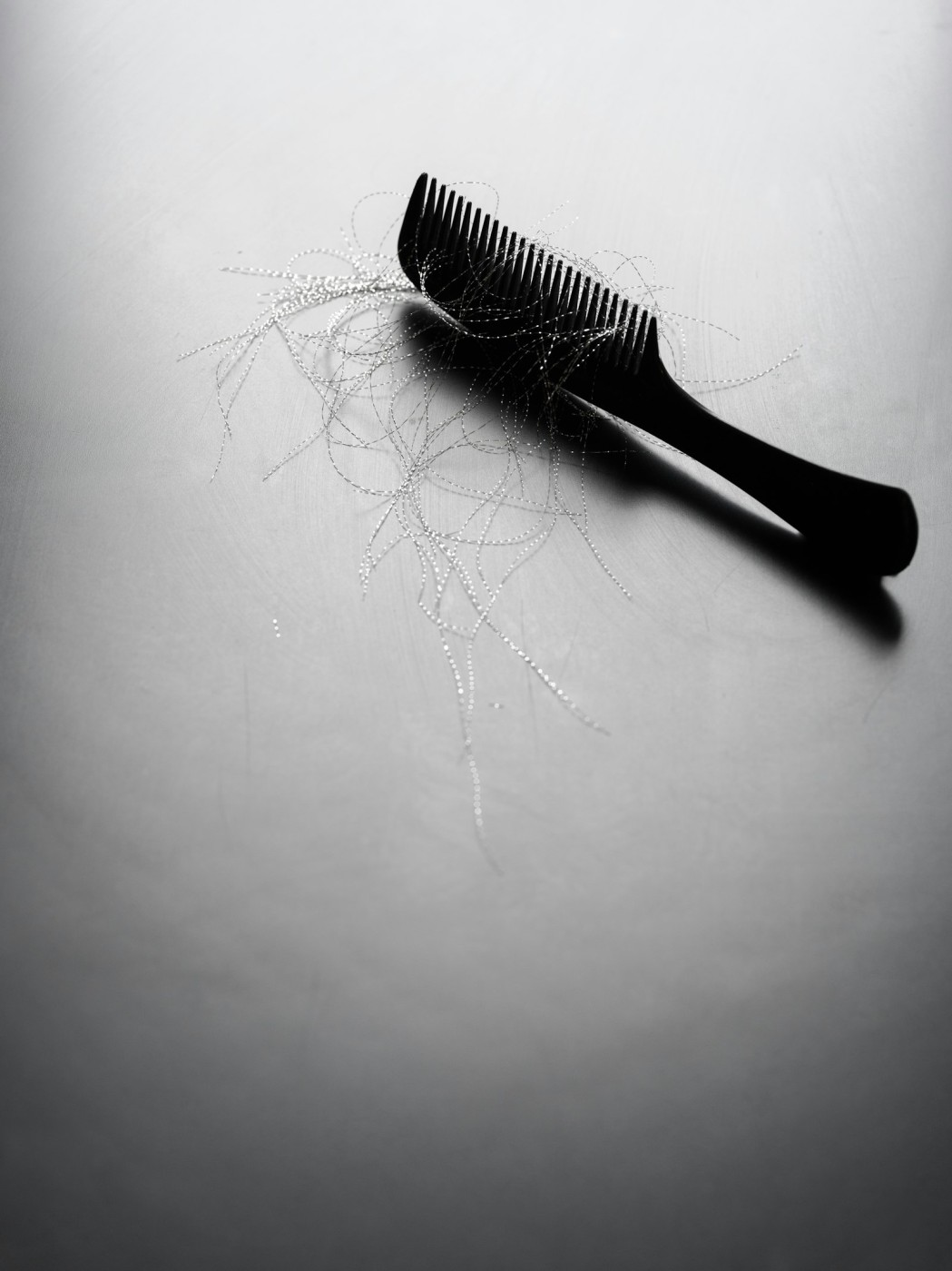
We lose around 50 to 100 hairs a day, and that is completely normal. New ones grow in their place. We start to worry when there is noticeably more hair than usual on the pillow, the comb and in the drain.
The most common reasons for increased hair shedding are stress, hormonal changes (for example after giving birth), crash diets, certain illnesses and medicines, and a lack of iron and zinc. With stress-related shedding, the hair often only starts to fall out two to three months after the stressful period, which can be confusing. The good news is that this kind of shedding is temporary and settles once the body settles too. Hair also tends to shed more in autumn and spring.
What you can do yourself:
- Eat a varied diet with enough protein, iron and zinc (pulses, eggs, meat, fish, nuts, seeds, wholegrains).
- Treat your hair gently: no ponytails that are too tight, less heat and mild products that don't dry it out. Hair that doesn't break also looks fuller.
- Gently massage your scalp with your fingers regularly, for example while washing or when applying a leave-in treatment.
We've written about hair loss in more detail in the article Hair loss: causes and hair care tips. If your hair falls out in clumps, bald patches appear or the shedding lasts longer than a few months, talk to your doctor. A simple blood test often reveals the cause, such as iron deficiency or thyroid problems.
Heat protection
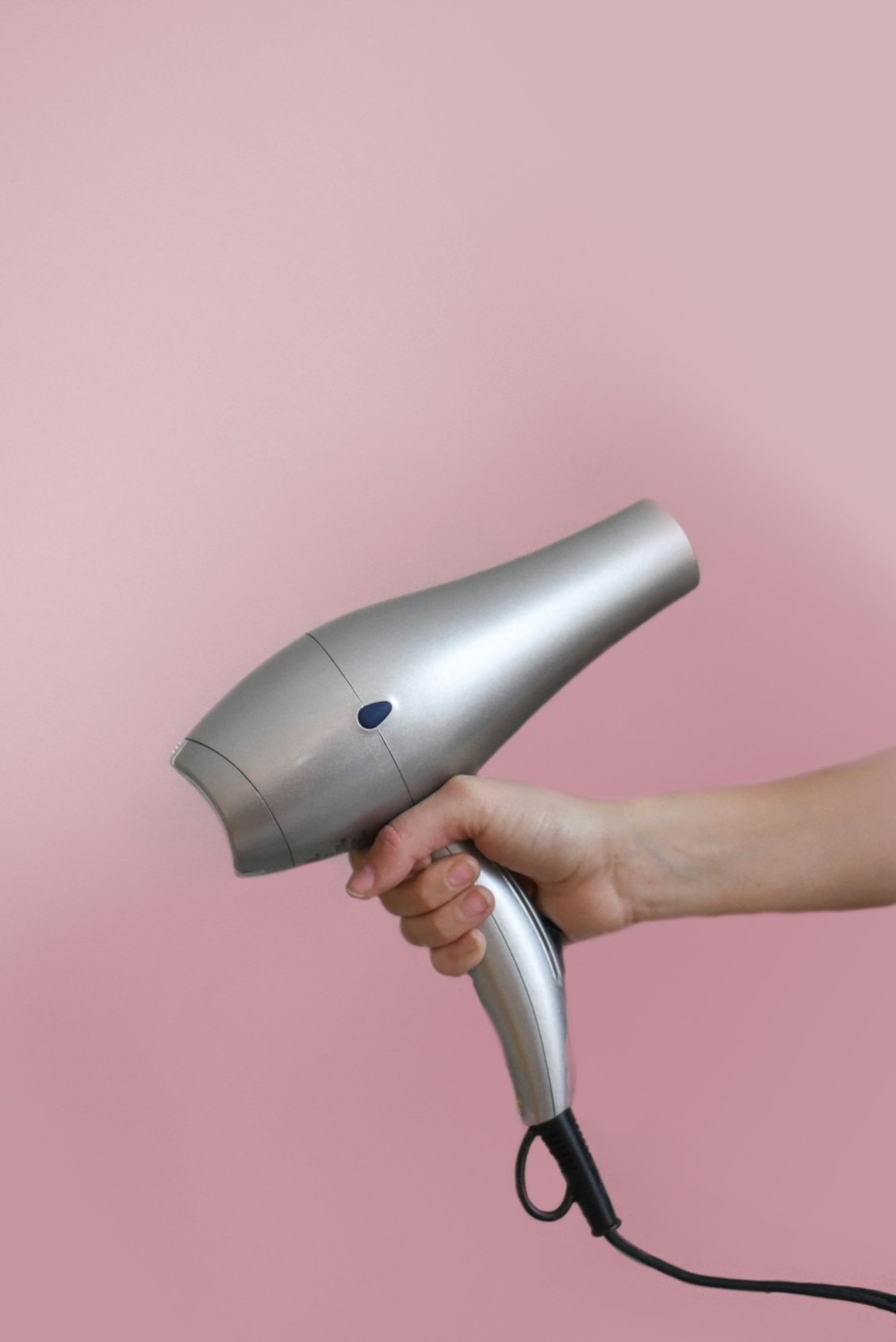
Hairdryers, straighteners and curling tongs are probably the most common cause of dry, brittle ends. You don't have to give them up, but you can limit the damage:
- Before drying, first squeeze your hair in a towel or let it partly air-dry.
- Set your hairdryer to a medium temperature and hold it at least 15 cm from your hair.
- Use straighteners and curling tongs only on completely dry hair and at the lowest temperature that still works.
- Always care for your hair with conditioner and a leave-in treatment before styling.
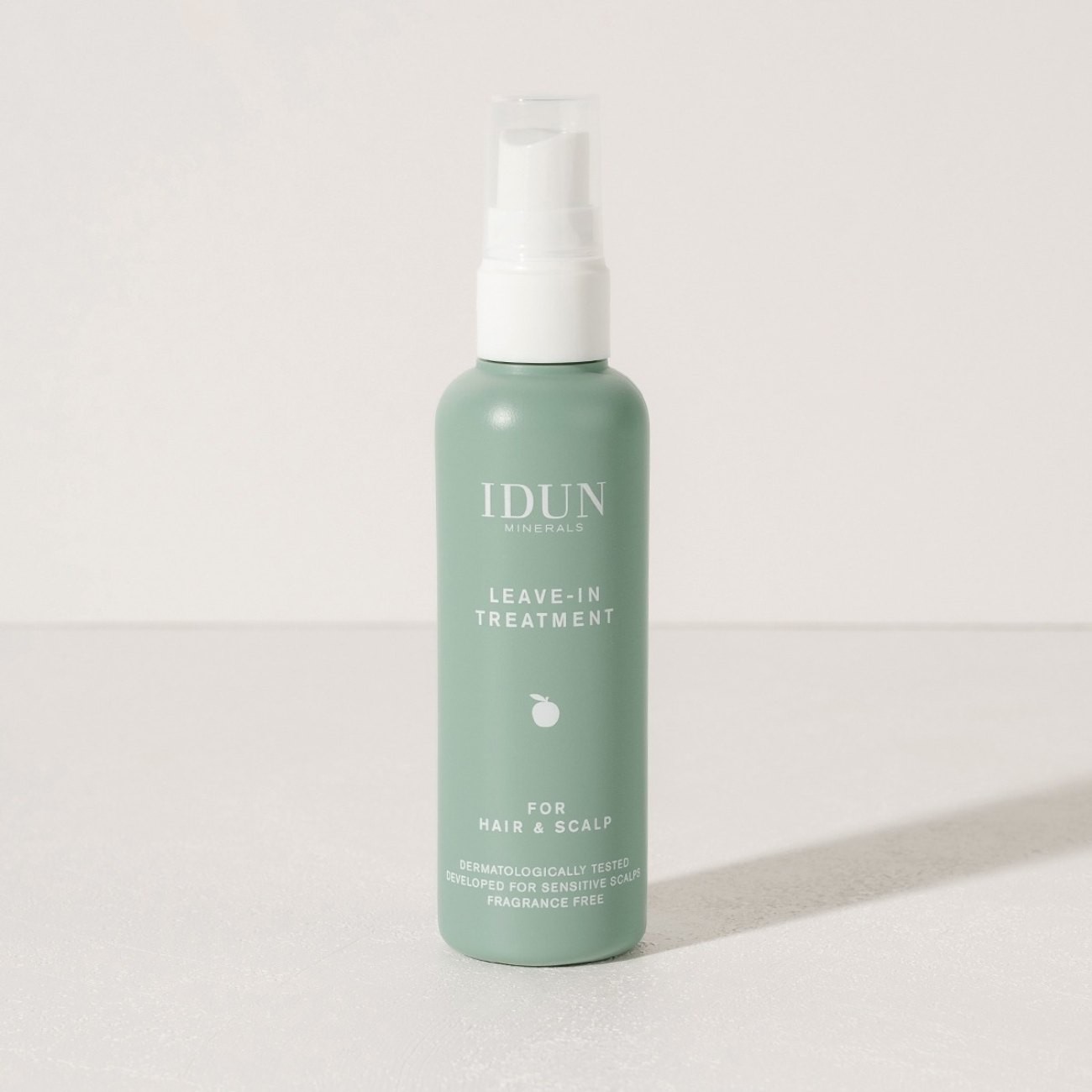
IDUN Leave-In Treatment is a light, creamy spray that mists evenly over hair and scalp. It contains shea oil, pea protein, provitamin B5 and vitamin E, is fragrance-free and doesn't weigh the hair down. Use it on damp or dry hair, before drying or during the day when your hair needs a little extra care.
How to build a routine for your hair
A basic routine has three steps: wash, condition, boost. The table below helps you choose the right product for each step.
| Hair type | Wash | Condition | Boost |
|---|---|---|---|
| Dry and damaged | Repair & Care shampoo for dry and damaged hair | Repair & Care conditioner for dry and damaged hair | Deep Moisture Hair Mask, Leave-In Treatment |
| Oily | Balance & Care shampoo | Volume & Care conditioner, on the ends only | dry shampoo between washes |
| Fine, without volume | Volume & Care shampoo | Volume & Care conditioner | dry shampoo at the roots for volume |
| Curly | Repair & Care shampoo for dry and damaged hair | Repair & Care conditioner for dry and damaged hair | Deep Moisture Hair Mask, Leave-In Treatment |
| Coloured | Repair & Care shampoo for dry and damaged hair | Repair & Care conditioner for dry and damaged hair | Deep Moisture Hair Mask |
| Sensitive scalp, dandruff | Balance & Care shampoo | conditioner of your choice, on the lengths only | Leave-In Treatment (fragrance-free) |
If you recognised yourself in two types, combine them: choose your shampoo according to your scalp, and your conditioner and mask according to your lengths. With an oily scalp and dry ends, for example, that means Balance & Care shampoo and a conditioner for dry hair, applied to the ends only.
Five habits that stop you fighting your hair
- Don't wash your hair every day if you don't need to. For most hair, two to three times a week is enough. With oily hair, cut down gradually, with the help of a dry shampoo.
- Shampoo is for the scalp, conditioner for the lengths. This simple rule solves many problems with greasiness and dry ends.
- Lukewarm water instead of hot. Hot water dries out the scalp and hair and washes colour out faster.
- Wet hair is fragile. Don't rub it with a towel, don't force a comb through it and don't tie it up in tight ponytails.
- Give products time. Hair gets used to a new routine within a few weeks. Don't switch shampoos every few days, or you won't know what's helping.
When to see a doctor or dermatologist?
Care helps with most everyday hair problems, but there are some it can't solve. See a doctor or dermatologist if your hair falls out in clumps or bald patches appear, if the shedding lasts several months, if your scalp is red, painful, flakes in thick patches or itches badly, or if dandruff doesn't settle despite gentle care. Behind this there may be iron deficiency, thyroid problems, seborrhoeic dermatitis or psoriasis, which need treatment.
In short
- Your hair type is made up of your scalp, lengths, thickness and texture. You can have an oily scalp and dry ends at the same time.
- Simple tests the day after washing tell you what kind of hair you have.
- Choose your shampoo for the scalp, and your conditioner and mask for the lengths.
- Dry, curly and coloured hair needs moisture, fine hair needs lightness, oily hair needs gentle cleansing without drying out.
- If you have heavy hair loss, severe dandruff or an irritated scalp, see a doctor.
You'll find all our hair care products in our shop in the Hair care category, where you can also choose products by hair type. IDUN Minerals hair products are vegan, dermatologically tested and gentle, so you can use them every day.
Recommended in the article
-
 IDUN Minerals Nourishing Shampoo for Dry and Damaged Hair 250 ml – IDUN Minerals
€12.60
-
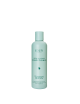 IDUN Minerals Nourishing Conditioner for Dry and Damaged Hair 250 ml – IDUN Minerals
€12.60
-
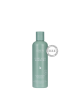 IDUN Minerals Volumising Shampoo 250 ml – IDUN Minerals
€12.60
-
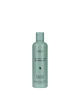 IDUN Minerals Soothing Scalp Shampoo 250 ml – IDUN Minerals
€12.60
-
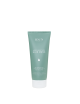 IDUN Minerals Deep Moisturising Hair Mask 200 ml – IDUN Minerals
€13.30
-
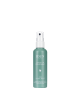 IDUN Minerals Leave-in Hair Treatment 100 ml – IDUN Minerals
€14.00

